
2025 Refrigerant Changes: What Orlando Restaurants & Food Businesses Need to Know About R410A’s Phase‑Out and the Switch to R454B
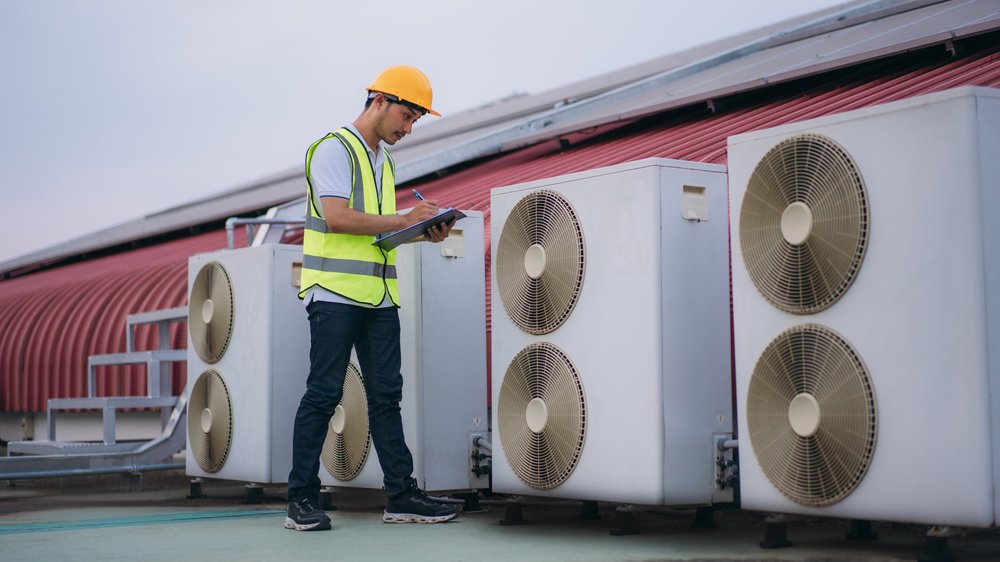
Commercial refrigeration and HVAC systems are the backbone of restaurants, bars, hotels, grocery stores, and cafés across Central Florida. In a climate as hot and humid as Orlando’s, these systems work overtime to keep food safe, staff comfortable, and businesses compliant with health codes. But a major industry change is on the horizon: beginning January 1, 2025, manufacturers will no longer be allowed to produce new HVAC equipment using R410A refrigerant. Its replacement, R454B, is set to become the new standard.
This phase‑out isn’t just an industry footnote—it will impact equipment pricing, maintenance needs, and upgrade decisions for any business relying on refrigeration or HVAC. Below, we break down what these changes mean for Orlando businesses, how to prepare, and why proactive maintenance is more important than ever.
Why Is R410A Being Phased Out?
R410A has been widely used in commercial refrigeration and HVAC systems because it’s efficient and doesn’t deplete the ozone layer. However, it’s part of a group of chemicals known as hydrofluorocarbons (HFCs) that contribute to global warming. To reduce the environmental impact, the Environmental Protection Agency (EPA) has mandated that manufacturers stop making R410A‑based equipment after December 31, 2024.
From January 1, 2025, R410A will start to be replaced by R454B, a refrigerant with a lower global warming potential. While existing systems can still operate with R410A, the supply of this refrigerant will decline over the next decade. Production will taper off until about 2034, so replacement parts and refrigerant will become more expensive as supplies shrink.
What Is R454B?
R454B is a newer refrigerant designed to have a lower environmental impact than R410A. In terms of cooling performance, it’s similar to R410A, but it has a lower global warming potential. However, it is also slightly flammable, which means that new equipment must be built with additional safety features. According to industry experts, these safety components will make new systems about 25 % more expensive. Businesses purchasing new HVAC or refrigeration units in 2025 should be prepared for this price increase.
How the Phase‑Out Affects Orlando Businesses
Higher Equipment Costs
New units designed to work with R454B will cost more upfront due to additional safety requirements. If you’ve been considering replacing aging equipment, it may be more economical to act before the end of 2024 while R410A systems are still available at current prices.
Supply and Servicing Challenges
R410A will continue to be produced for another decade, but production will shrink each year. As supply decreases, the cost of recharging your existing units with R410A will rise. While local HVAC technicians like Peak Control will still be able to service R410A systems, scheduling maintenance or finding replacement parts may take longer as manufacturers shift production to R454B equipment.
Greater Strain on Equipment
Orlando’s heat and humidity mean refrigeration and HVAC systems run almost constantly. When units operate under heavy load—especially in kitchens with hot ovens and fryers—their components wear out faster. The new refrigerant change is a good opportunity to evaluate whether your current equipment can handle upcoming summers and the shift in refrigerant availability.
Repair vs. Replace: Evaluating Your System
Replacing large commercial units is a significant investment. But hanging on to outdated systems can be costly in the long run. To decide whether to repair or replace, consider:
-
Age of the equipment: Many commercial refrigeration units last 10–15 years with proper maintenance. High‑traffic kitchens often need major repairs after 3–5 years.
-
Frequency of repairs: If you’re calling for service more than once or twice a year, the costs may soon exceed the price of a new unit.
-
Energy efficiency: Dirty coils, worn parts, and low refrigerant levels force equipment to work harder, driving up electricity usage.
-
Signs of failure: Look for these warning signs noted by commercial refrigeration experts: excessive frost or condensation, loud or constant motor noise, rapid food spoilage, fluctuating temperatures, and skyrocketing energy bills.
If your system is relatively new and repair costs are less than half the price of a replacement, it may be worth keeping. But if the unit is over 15 years old, requires frequent service, or uses outdated refrigerants, replacement is often the smarter choice.
The Hidden Cost of Neglecting Maintenance
Maintenance isn’t just about preventing breakdowns—it’s about protecting your bottom line. A recent 2025 industry report warns that dirty coils, worn components, and low refrigerant levels lead to higher energy bills. Minor issues like refrigerant leaks can snowball into major failures, such as compressor breakdowns, which are some of the most expensive repairs. Without regular upkeep, you risk:
-
Unexpected downtime: Breakdowns disrupt operations and cause delays.
-
Shortened equipment lifespan: Neglected systems wear out faster.
-
Compliance issues: Food service and healthcare facilities must meet strict safety and sanitation standards. Malfunctioning refrigeration can lead to fines or temporary closures.
-
Lost inventory: A single failure can spoil thousands of dollars worth of perishable goods.
Planned maintenance is a small investment that yields big returns. Regular inspections and tune‑ups improve energy efficiency, reduce repair costs, extend equipment life, and ensure compliance.
How to Prepare Your Business for 2025
-
Audit your equipment: Identify the age, condition, and refrigerant type of all refrigeration and HVAC systems. Units using R410A should be flagged for potential replacement or retrofitting.
-
Plan your budget: Given the 25 % price increase on new R454B units, allocate funds now if you expect to replace equipment in the next few years.
-
Schedule maintenance: Make maintenance a priority. Simple tasks like cleaning condenser coils and checking door seals improve efficiency and help catch problems before they turn into expensive repairs.
-
Consult an expert: An HVAC contractor like Peak Control can assess whether it’s better to repair, retrofit, or replace your systems. They can also help you plan for phased upgrades, so you’re not scrambling when R410A supplies decline.
-
Educate your staff: Train employees to recognize signs of equipment trouble—excess frost, strange noises, fluctuating temperatures—and report them immediately.
Local Considerations for Orlando and Central Florida
Florida’s high humidity accelerates wear on refrigeration and HVAC components. Mold and bacteria thrive in moist environments, especially in ice machines and walk‑in coolers. In Florida, experts recommend servicing ice machines every 3–6 months and performing monthly checks to prevent biofilm buildup. Similarly, exhaust hoods in commercial kitchens should be cleaned regularly to remove grease and prevent fires.
Because Orlando’s climate puts extra stress on systems, local businesses should adopt more frequent maintenance schedules than those in cooler, drier regions. Partnering with a local service provider ensures technicians understand these challenges and can respond quickly when issues arise.
Final Thoughts: Take Action Now
The 2025 refrigerant phase‑out marks a major turning point for commercial refrigeration and HVAC. For Orlando businesses, the combination of hotter summers, stricter environmental regulations, and rising equipment costs makes it crucial to plan ahead. By auditing your equipment, budgeting for upgrades, and committing to regular maintenance, you’ll avoid costly surprises and ensure your kitchen or facility runs smoothly.
At Peak Control, we’ve spent more than 26 years helping Central Florida businesses navigate industry changes and stay ahead of regulatory shifts. Whether you need a system evaluation, preventive maintenance, or guidance on upgrading to R454B‑compliant equipment, our certified technicians are ready to help.
Ready to prepare your business for the 2025 refrigerant transition? Contact us today to schedule an assessment or discuss a maintenance plan tailored to your needs.